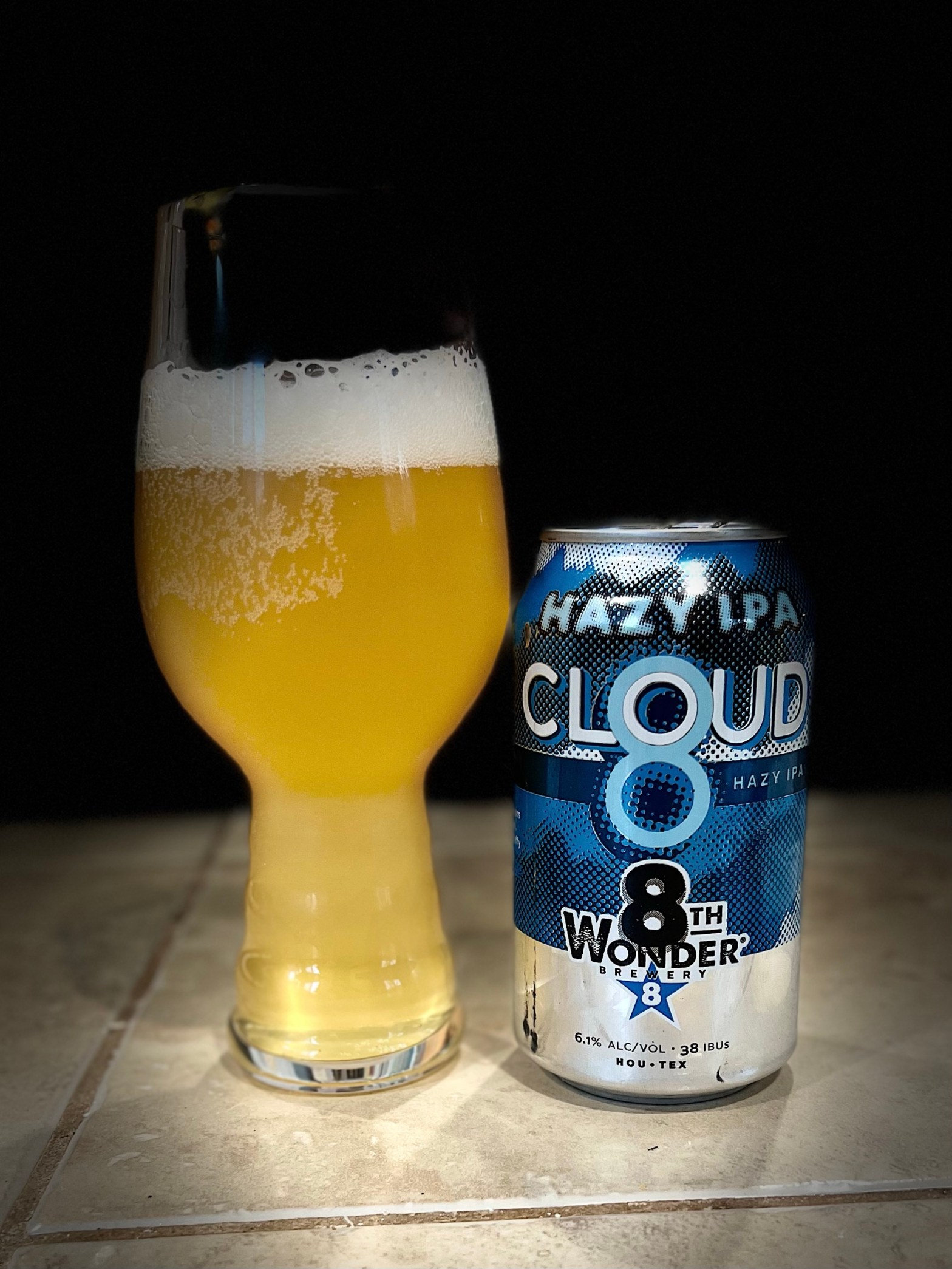
Tropical and satisfying. Definite pineapple and citrus notes, a little lighter bodied than your average hazy. All-in-all, pretty good! 3.5/5 stars.
Hazy, oh hazy. It’s amazing how something that was dismissed as a fad, pooh-poohed by purists, and harangued by hop heads could have such staying power. But, it’s not all that surprising when you look at the trajectory of the craft beer movement. Craft beer, as we know it today, started off as a reaction to the ubiquity of the macro lagers. Pale-colored, clear, and low-bitterness described almost every beer you could find before the craft movement started bringing out hop-forward and malt-forward examples. The IPA in particular was a calling card of the movement, since the style was perfect for drowning in dank and sticky hops backed by a comparatively large bill of golden malt. It also made the movement an exclusive club, since tolerating a mouth-punching sensory overload was a prerequisite for membership. Fast forward a few decades, and the following became large enough that real money could be made. But how to grow the business? Expand the client base! Beers with more nuance in their hops and malts brought out more experimentation in hop varieties and malting technique. That cycle built on itself, creating an ever-increasing bag of tricks for brew wizards to pull from. Finally, in the past decade, all hell broke loose. Anything that could be done, would be done (whether or not it should). Anything that could suspend in a liquid could be added to beer, from fruit puree to peanut powder. Many styles were made sweeter or the hop bitterness was lowered to appeal to a broader audience. It was (and still is, in 2022) a wild ride.
Out of this craze appeared the New England style IPA (I won’t debate the origins here). It was sweeter and less bitter, but exploding with aromas and flavors that a West Coast style IPA could only dream of. And, from a pure ingredients standpoint, it was still an IPA. Same big malt bill with only enough color to get to a gold-orange spectrum. Same ridiculous amount of hops, more or less. The difference came from how the hops were used. Significantly less of it went into the boil. Truckloads of it were used in late-addition processes, in particular dry-hopping. A quick aside to discuss brewing here. Boiling hops extracts bitterness (through isomerization) but releases most of the aromatic compounds into the air. The “hot side” process creates a lot of the perceived bitterness in a beer. Adding hops on the “cold side,” where little to no heat is present, preserves the delicate oils that provide aroma. However, they won’t add much to the bitterness of the beer because isomerization requires heat. Most really great IPAs (and other hop-forward beers) will combine some amount of hot and cold side hop additions to give you the best of both worlds. New England style (and later hazy iterations) focus much more heavily on the cold side.
That’s enough history for today. I’ll tell you a bit about my thoughts on hazy IPAs instead. I will likely be proven wrong, but I think they’re nearly played out. There is only so much variety to be derived from the style, because its focus on sweetness backing a tropical-citrus aromatic profile can only have so much nuance. You can add fruit, but it competes with the hops (and usually diminishes the flavor of both). You can get further out of the standard repertoire of hops, but the aromas won’t be as strong or as enticing. You can increase the bitterness, but then it’s practically a standard American IPA. You can decrease the bitterness, and it tastes like a tooth enamel-dissolving soda. The amount of hops makes souring unlikely to work due to hops’ anti-microbial properties. Aging it in liquor barrels will make the aroma dissipate, likely making it unpalatable. I think they are great for getting new mouths around a pint glass because of their broad appeal, but I see them becoming less and less prevalent as those same drinkers start demanding new flavors and aromas. Time to move on, and maybe filter your beer while you’re at it. This isn’t homebrew, after all.
Cloud 8 by 8th Wonder Brewery

 A Beer a Day
1 Comment