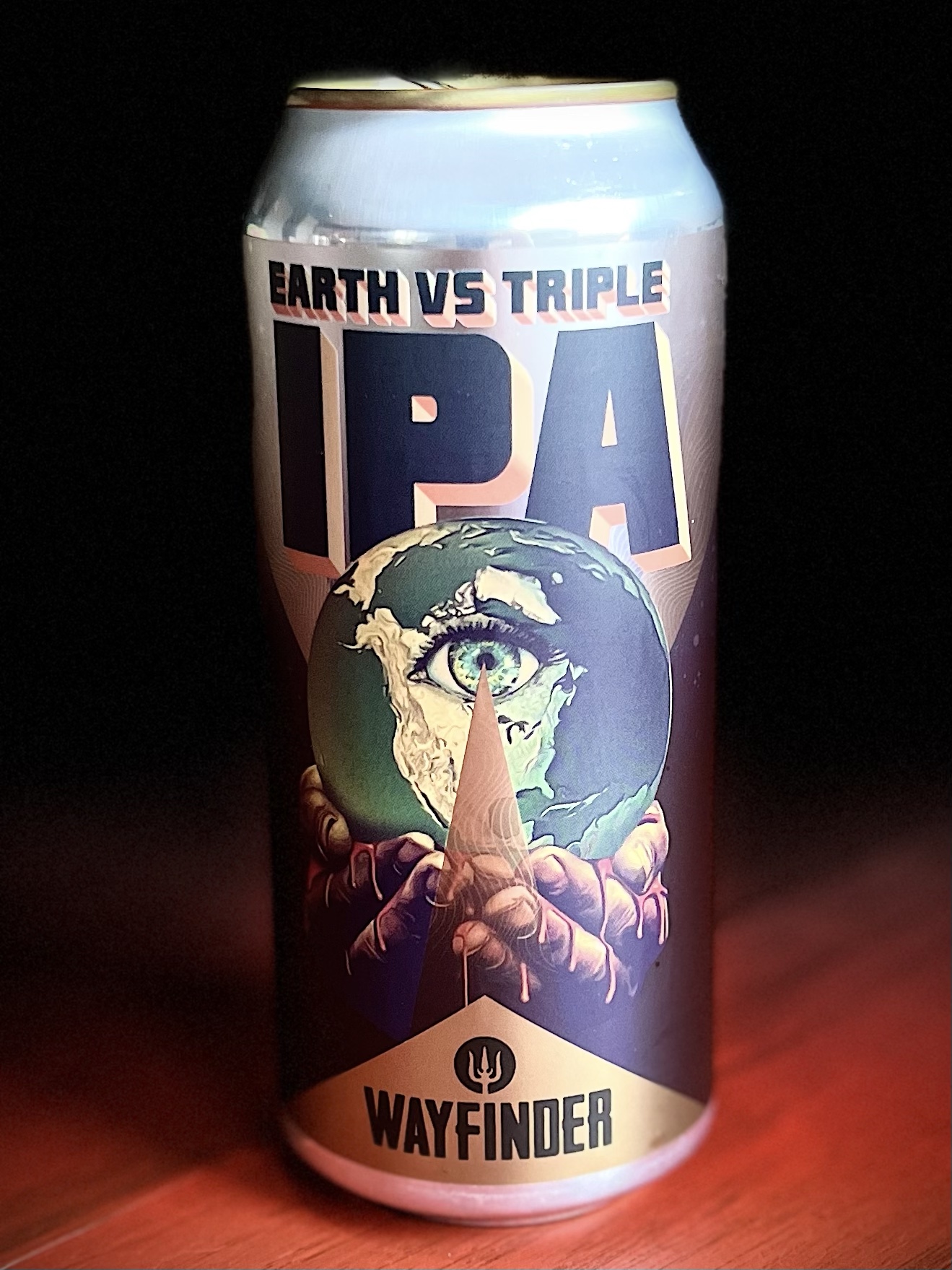
Wow! This beer is dangerous. So smooth and well-balanced between the citrusy hops and honeycomb malts. 4.5/5 stars.
It seems almost universal that highly-alcoholic drinks that don’t taste boozy are dubbed “dangerous.” The connotation varies widely between “I might do something silly because of this drink” and “I need to be careful when I stand up after this drink.” But, it always seems to mean, “It’s not my fault if the alcohol affects me, because I can’t tell how much I’m consuming.” Americans have such a weird relationship with alcohol. I like to blame our Puritanical foundations for many of this country’s issues. What do we expect, when the first European settlers to arrive were escaping a liberal and permissive society that persecuted them for being too square and buttoned-up? Good times like Prohibition, that’s what.
When reading Michael Pollan’s recent book, This is Your Mind on Plants, I was introduced the the historical nugget that the same women who lobbied so heavily for banning alcohol were happy to drink poppy tea during their own social gatherings. Oh, how times have changed, where the “opium” poppy (all poppies produce the same active chemical, by the way) is considered a schedule 1 controlled substance, while alcohol is freely available to any adult over 21 years old. Yet, we still have hang-ups about alcohol. And those hang-ups get us into all sorts of trouble.
I did my undergraduate studies at a college that prohibited alcohol on campus. Being a residential campus, that effectively meant parties happened behind closed doors and with word-of-mouth-only advertising. I know that the issues isn’t necessarily solved by removing a policy like that (there were probably a similar proportion of alcohol poisoning incidents at my school as the well-known party school my brother attended). But, I do believe that the severity of alcohol-related problems could have been reduced by an open dialogue instead of shameful and quiet closed-door chug-fests. The number of students that I saw over-indulging or drinking too quickly because of the fear of being caught, and the physical fallout from those behaviors, was frankly horrifying. But, they were only playing the roles that society gave them. They were doubtless filled with visions of Beerfest or Animal House that led them to believe alcohol was an integral ingredient to having a good time. It was unlikely that a trusted adult talked to them about healthy relationships with alcohol, and they possibly had poor role models within their own families. More likely, they were told that it was forbidden (while society hinted it wasn’t) and that was the end of the conversation. Kind of like my college’s policy. But really, who would actually expect 18- to 22-year-olds to leave something alone just because they were told to? Certainly not the parents who just survived the teenage years of those students. Not school administrators, who witness the aftermath of countless violations. Not board members, who… well, maybe the board members forgot what it was like to be a teenager, or to be around young adults.
So, maybe it’s time we stopped blaming the alcohol for being dangerous. It’s time we recognized that a tasty beverage isn’t to blame for our actions. Let’s have open and honest discussions about how we feel about alcohol, and why we like it (or don’t). If you really only like alcohol for what it does to you, or what you think it gives you permission to do, I think it’s time to talk to someone about that. Talk to your kids, and your friends, and your relatives about how to develop a healthy relationship with alcohol. If it isn’t healthy, maybe it’s time to end that relationship. After all, there are some good beers out there that will keep you sober!
If you’re enjoying the blog, please consider supporting my work on Patreon. Egészségedre!

 A Beer a Day