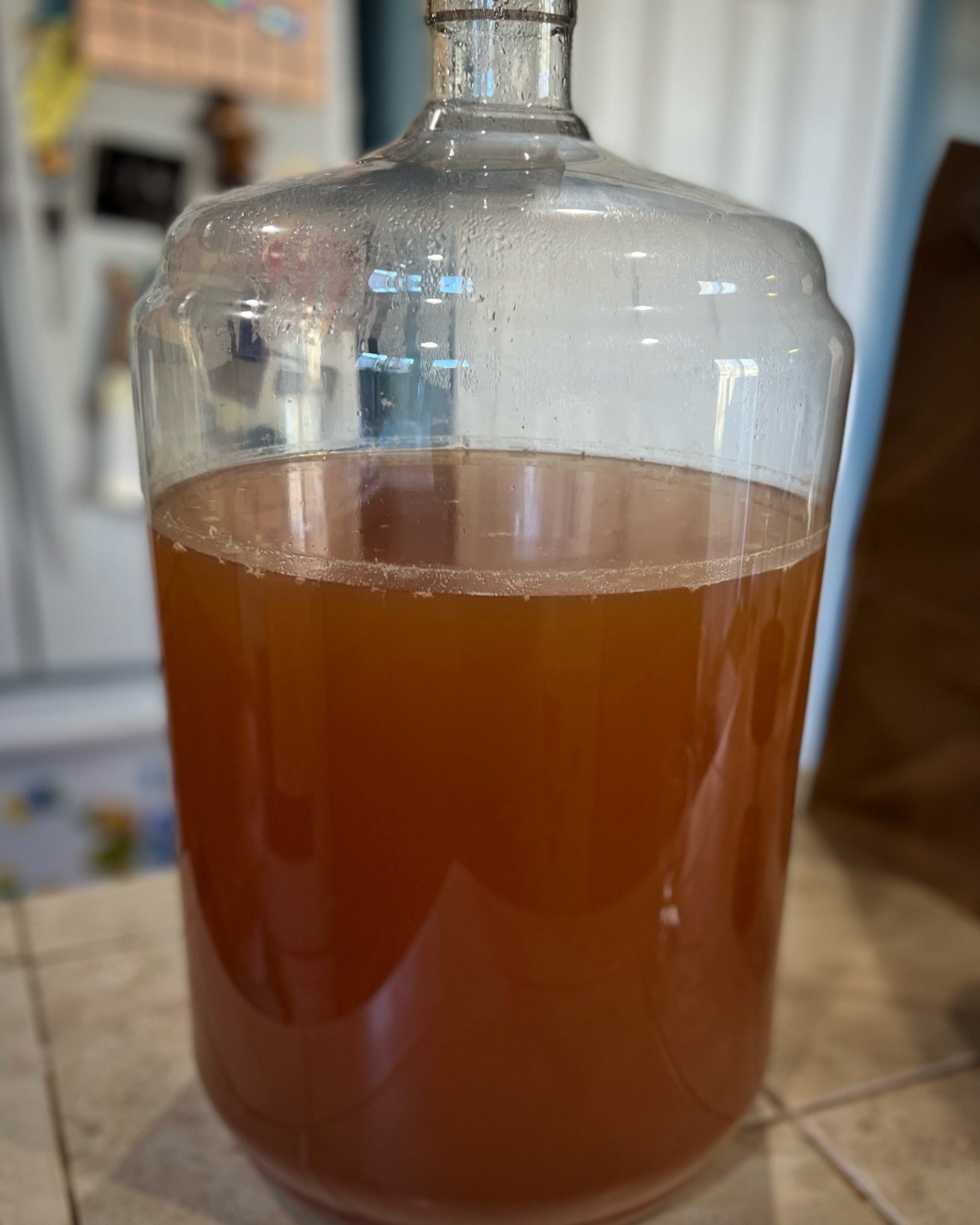
What’s in the bottle? Could that be the product of some magical process that started here and left off here?
When we last left the saga, I poured the tart-yet-delicious juice squeezed from 100 pounds of crabapples into a fermentation bucket. What’s that, you ask? Just what it sounds like. A (food-safe) plastic bucket with a lid that would transform water into wine. Err… Juice into alcohol. What else went into that bucket? If this were beer, there would be wort (sugary extract of grains in water) that had been boiled with hops to isomerize the delectable bittering alpha acids. I would then add yeast of an appropriate strain to produce the desired beer style. The cider had none of that. It was merely juice, unfiltered and raw, squeezed from tiny apples.
“But wait!” you say. “How does the juice transform? What alchemical extracts were necessary to transmute the mundane into the miraculous?” The secret is only skin deep. If you have an opportunity to look at an apple hanging on a tree, you may notice that they look a bit dusty or dull. They don’t have the shine on their peel that we’re used to seeing at the supermarket or farm stand. That dull powder you see is yeast! Not just any yeast, either. Through the process of natural selection, it is the perfect yeast to ferment apples. Kind of makes sense, doesn’t it? The microbiota on an apple skin would be the best to break down that apple, freeing its components to be consumed by the yeast and other microorganisms. Incredibly, that’s exactly what I needed to happen to my juice. By making sure to retain the yeast living on the apple skins, mostly by not washing them off apples or killing them through heat or chemicals, I had everything I needed ready-packaged.
Using wild yeast like this takes more patience than selected and packaged strains. The yeast aren’t bred for speed and high production like commercial varieties, so it takes time for the process to begin. Once it begins, it may also take a while for it to finish. How long? I let my cider rest undisturbed in the bucket for two weeks, then transferred it into the carboy (see picture at the top) to undergo a conditioning period. When I finally put it into bottles this week, the process was 97 days in. Bottles will likely take another few weeks to condition before the cider is ready to drink. So, we’re talking four months beginning to end. It’s not that bad compared to making sour beer, but still a commitment.
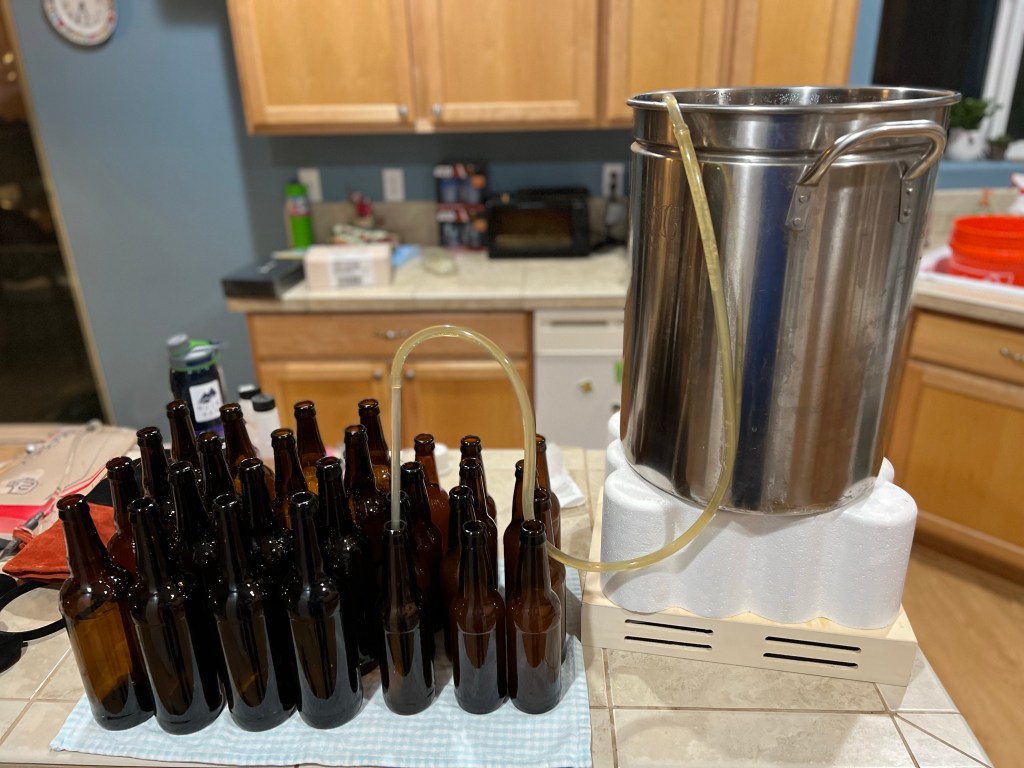
The final chapter will have to wait, since I just finished bottling a few days ago. Stay tuned to this channel to find out how it ends up, along with some guest tasting notes!

 A Beer a Day